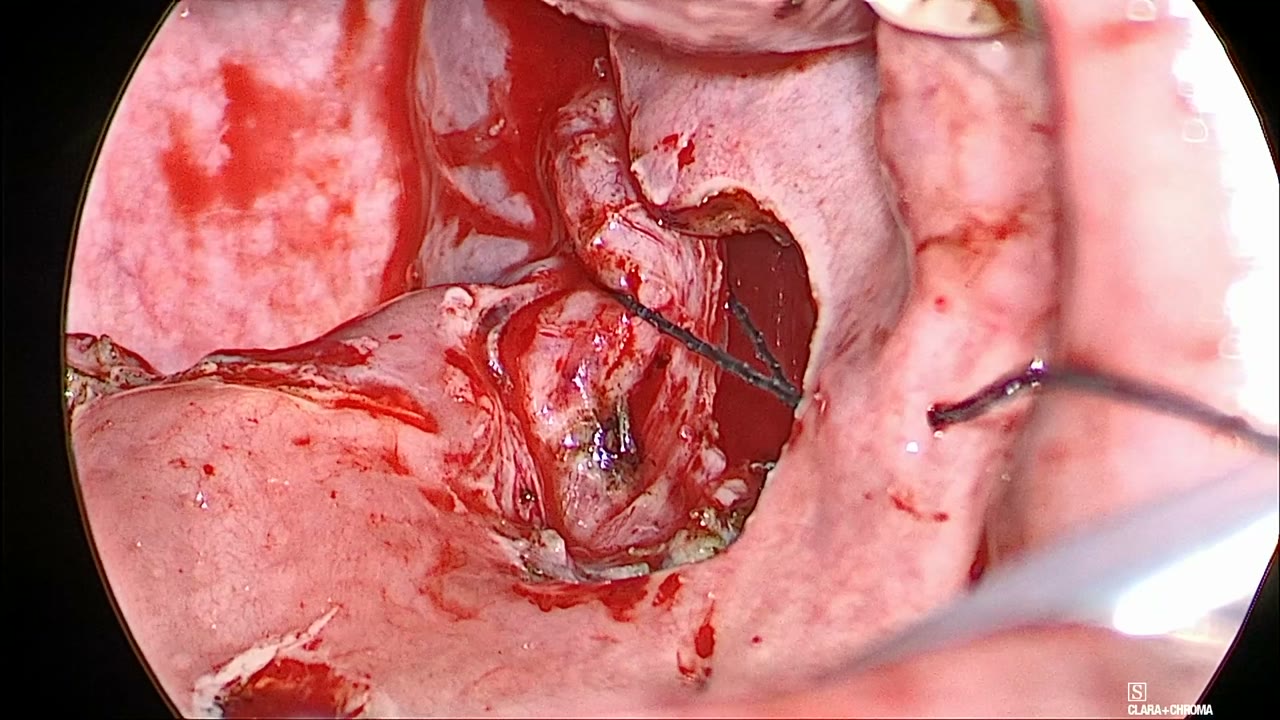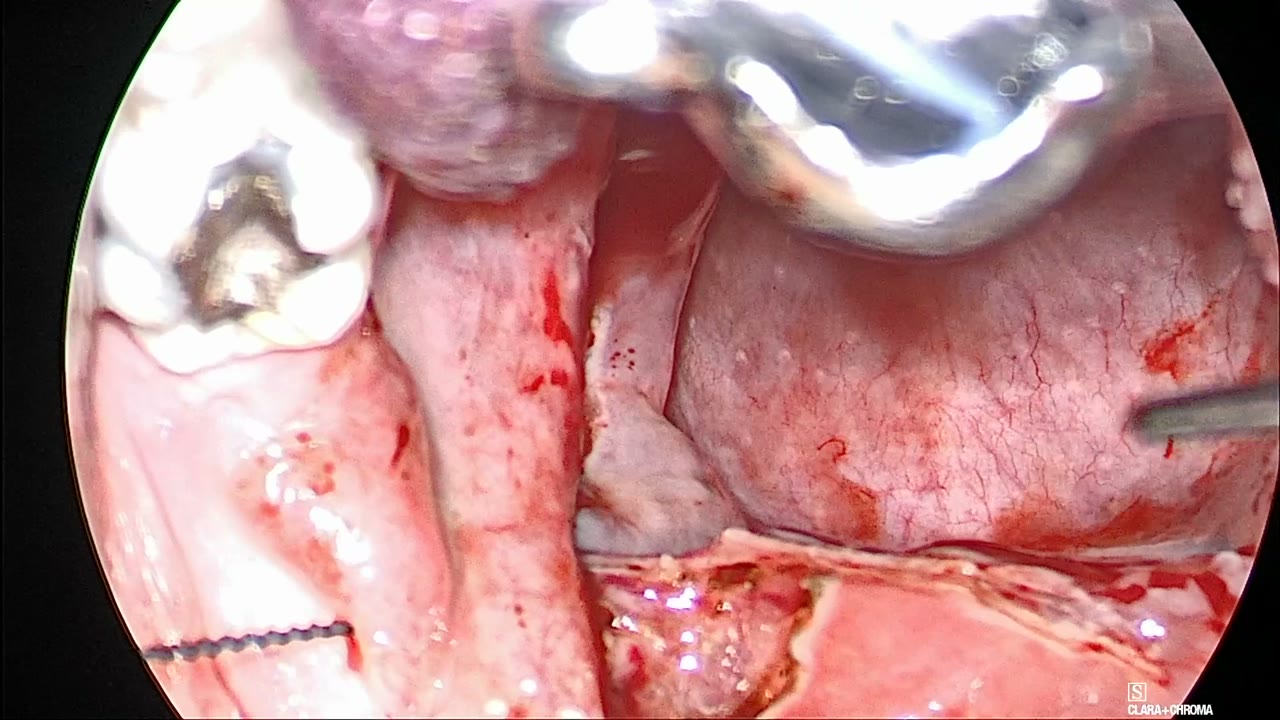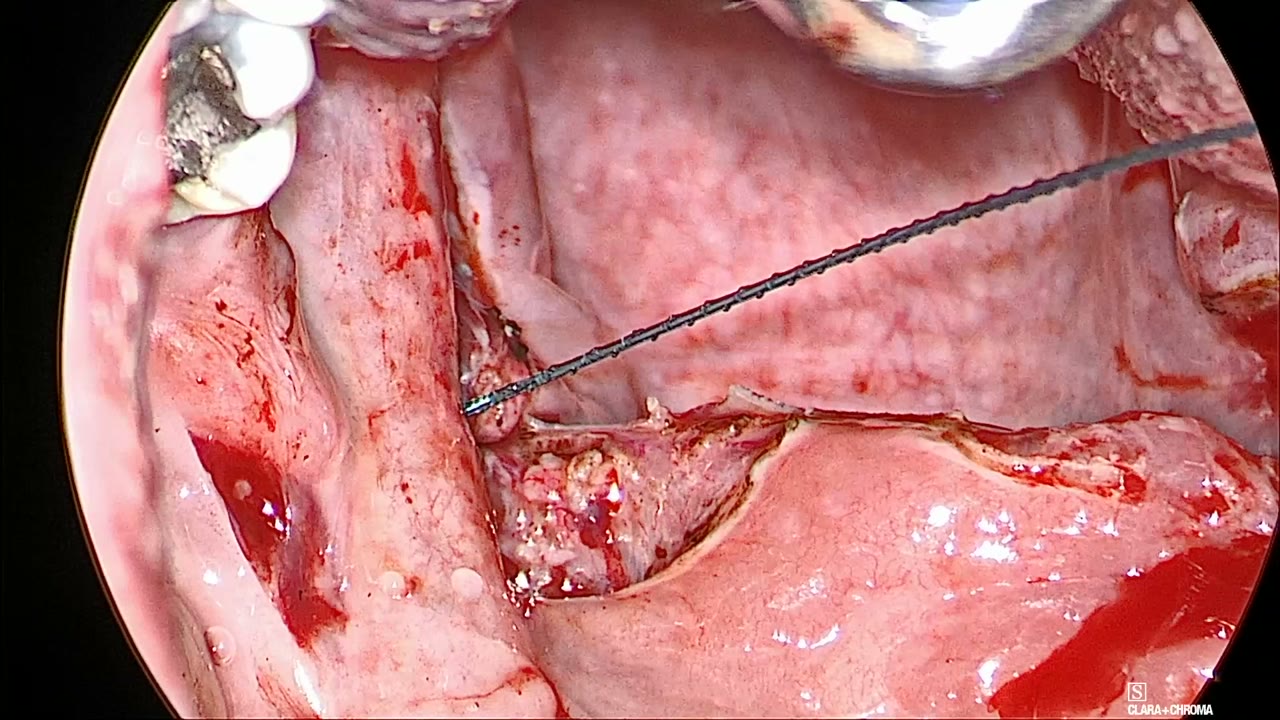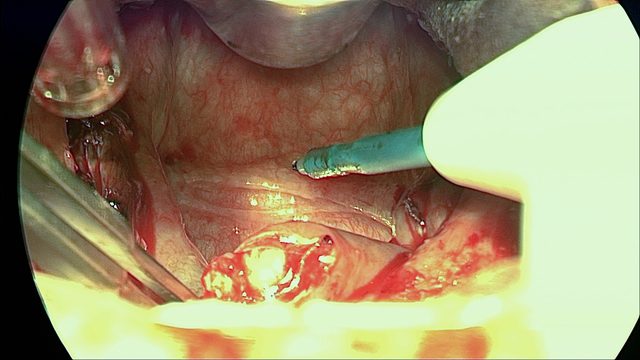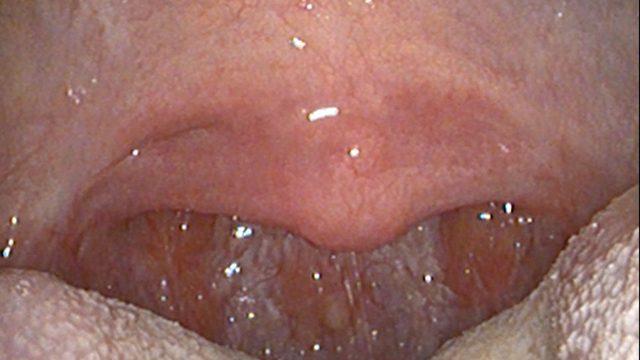
Indications for BRP
Use the DISE, the oral exam, and the patient’s place on the hypoglossal nerve stimulation pathway to answer the question: “Why BRP for this airway?”
The complete operation
The video could not load. Open the video directly, or use the chapter guide below.
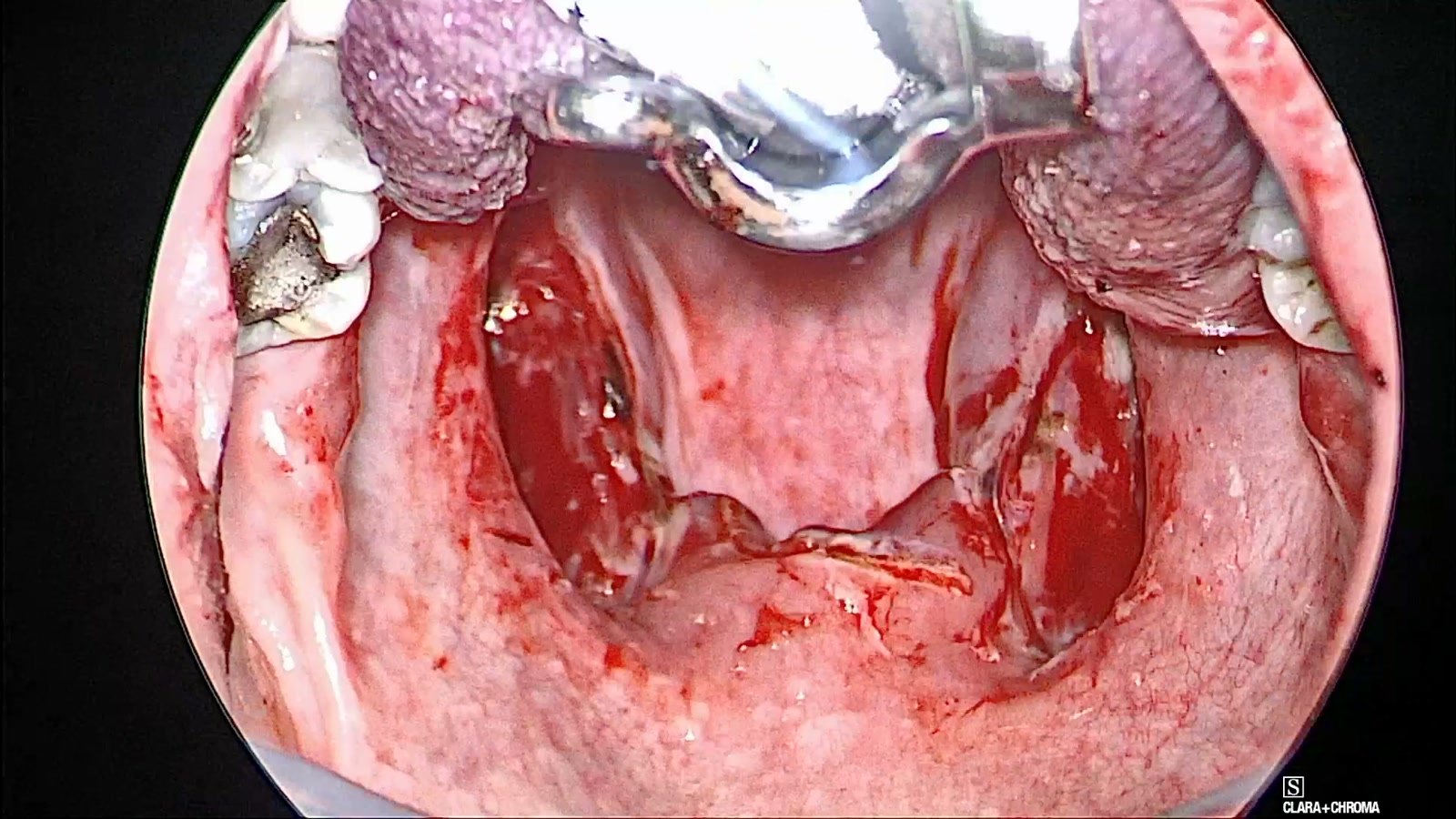
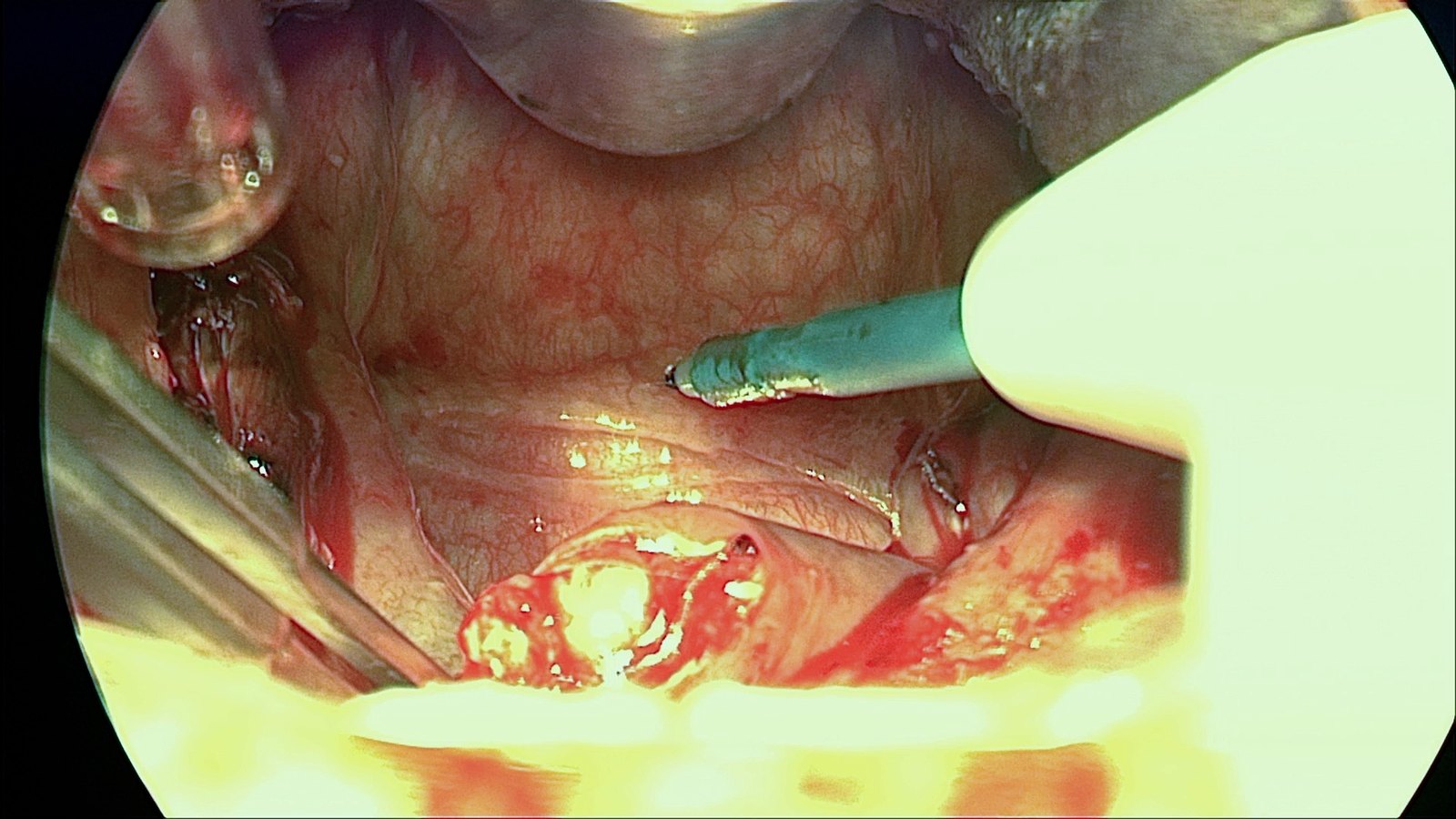
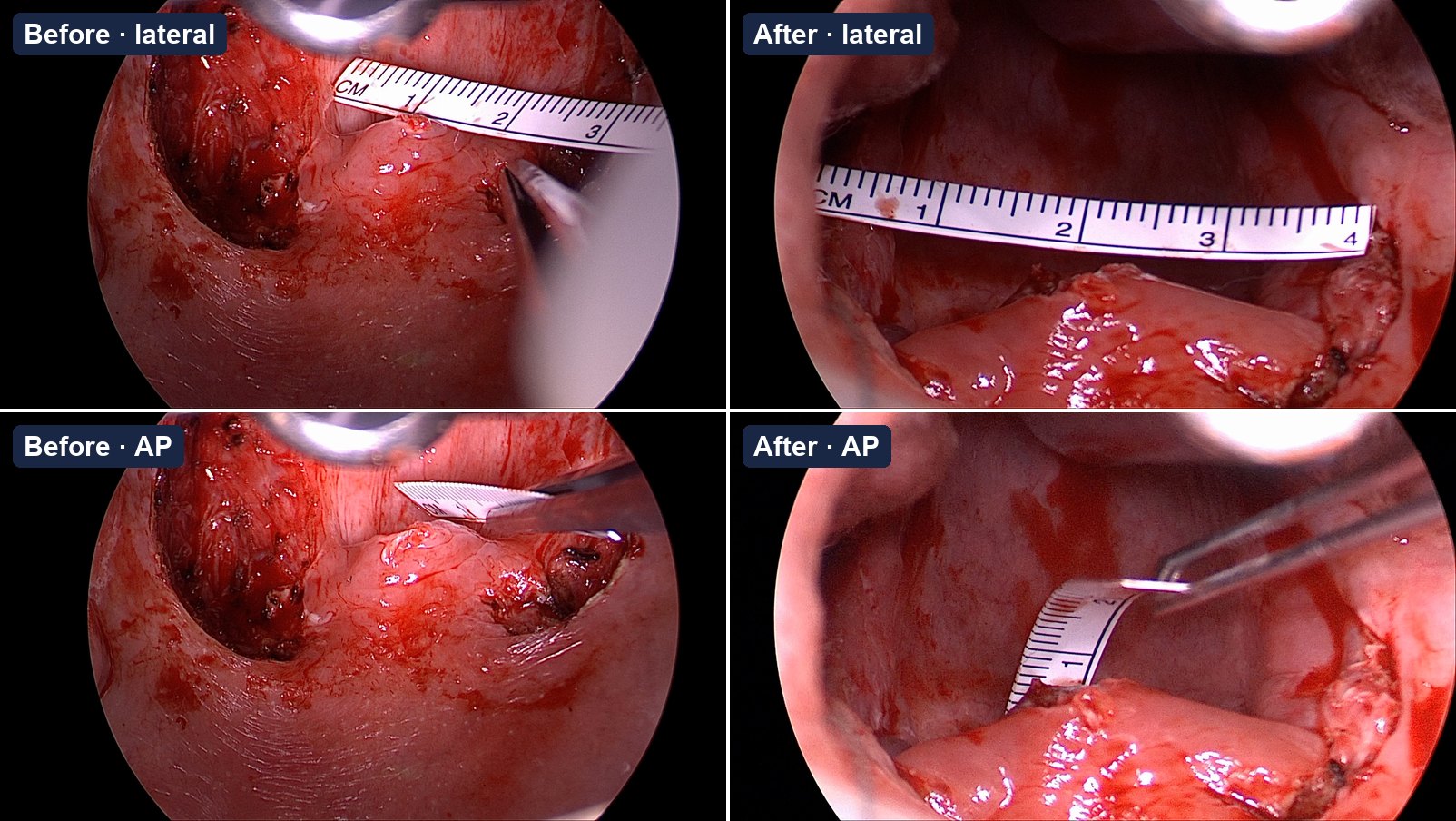
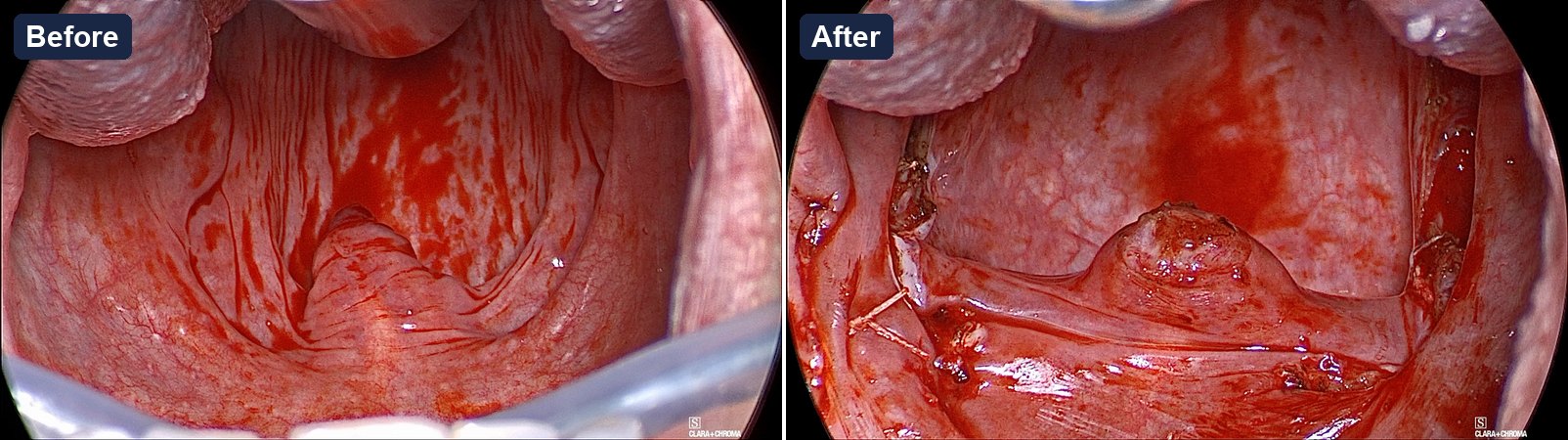
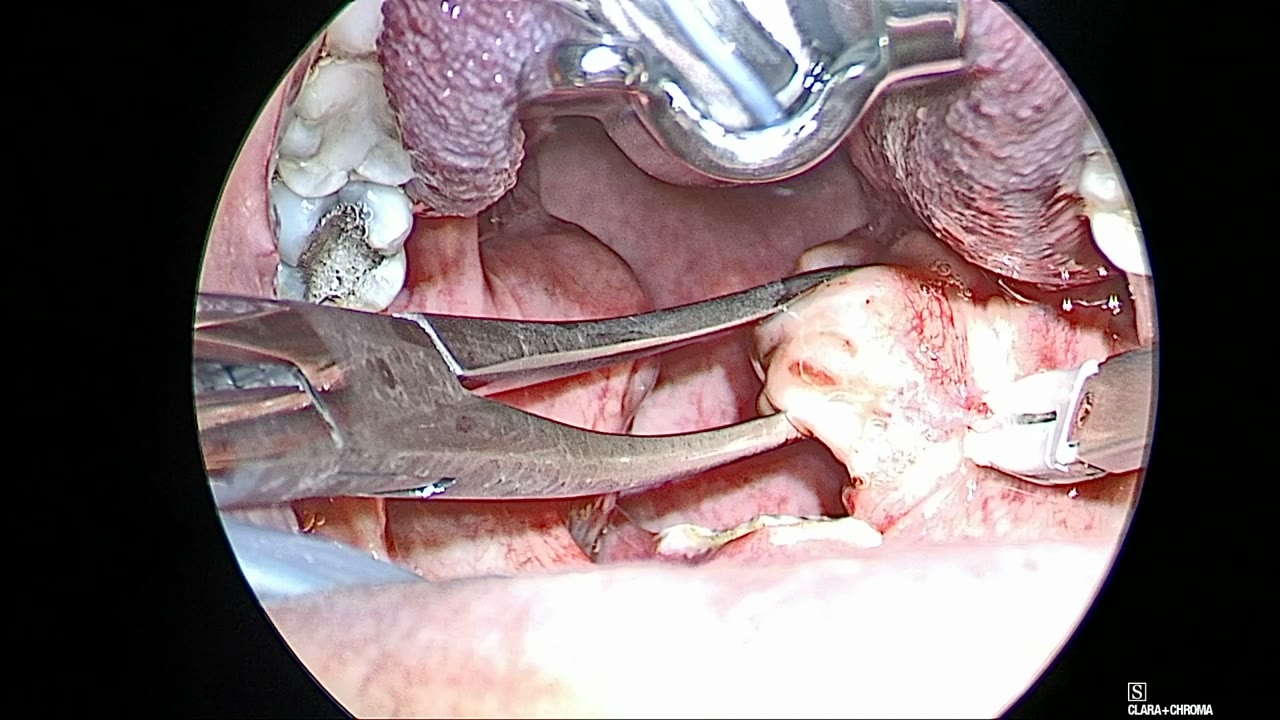
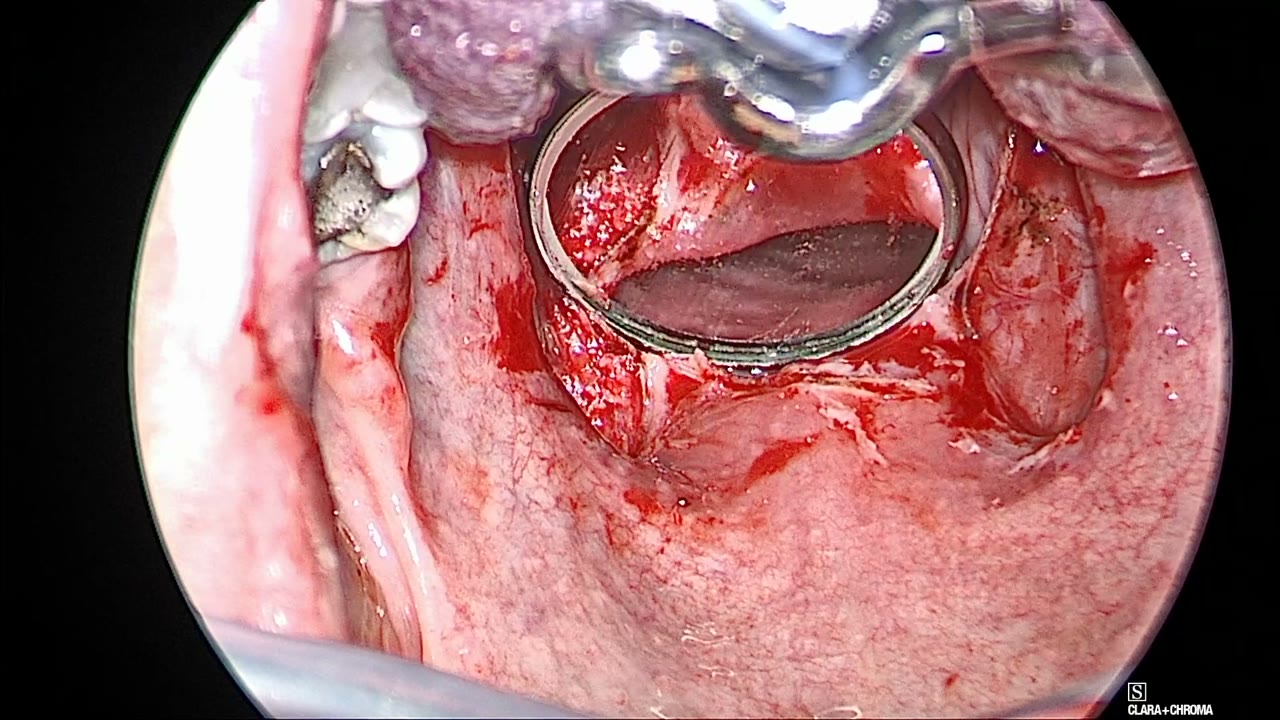
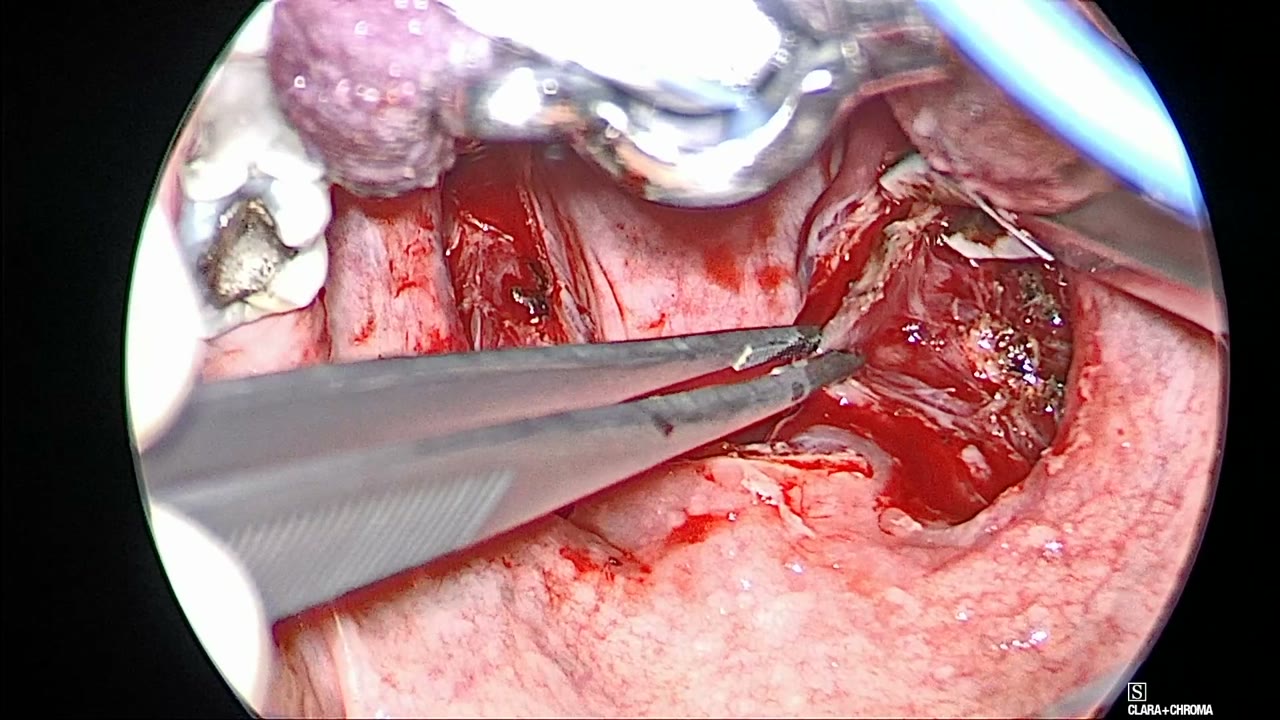
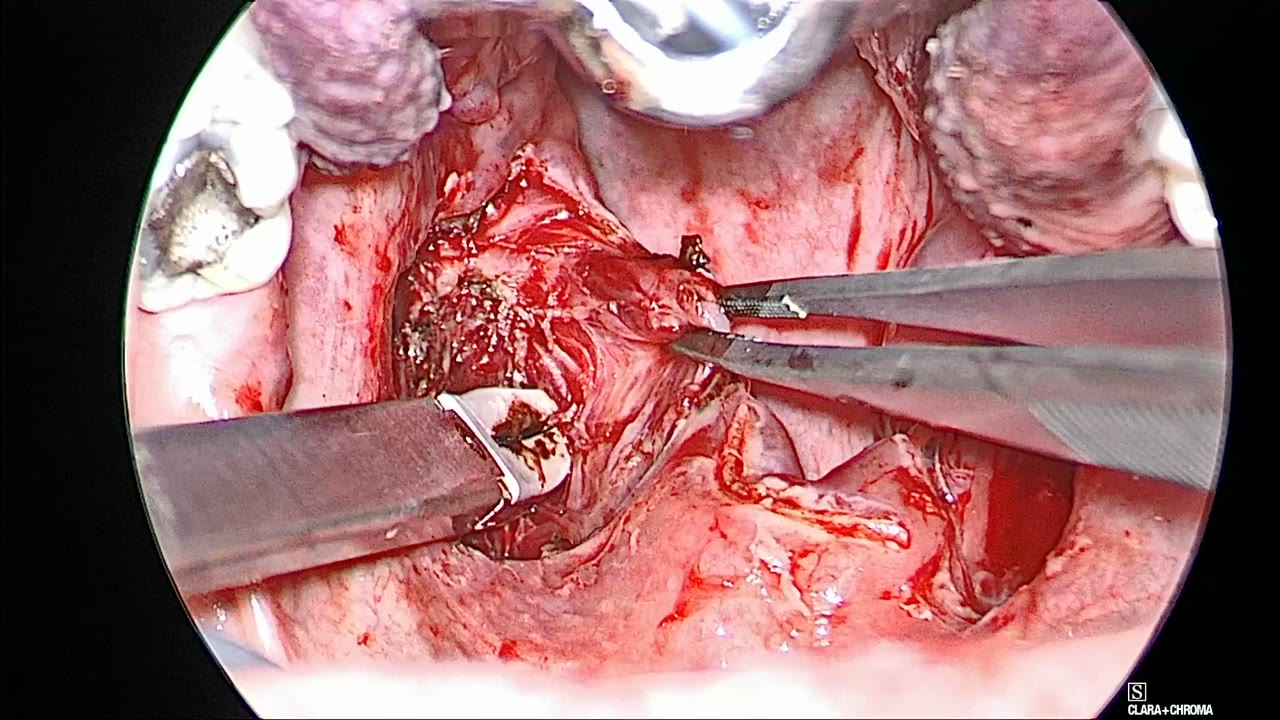
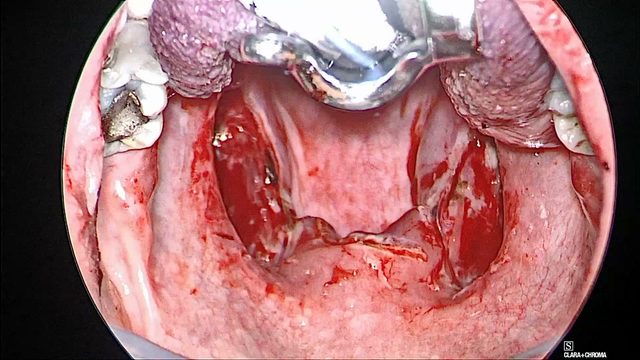
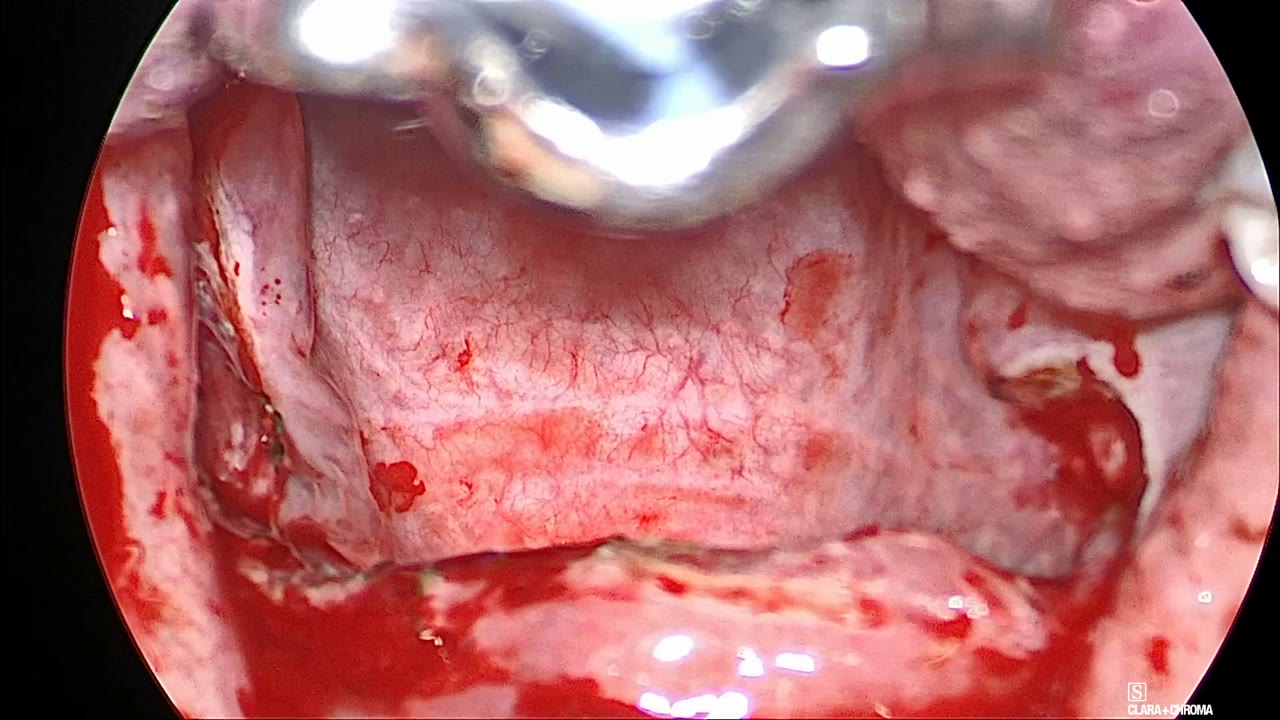
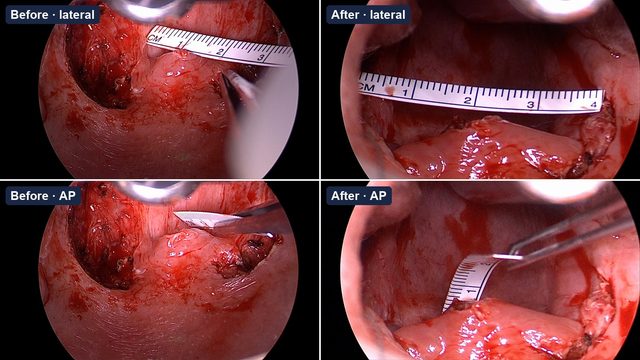
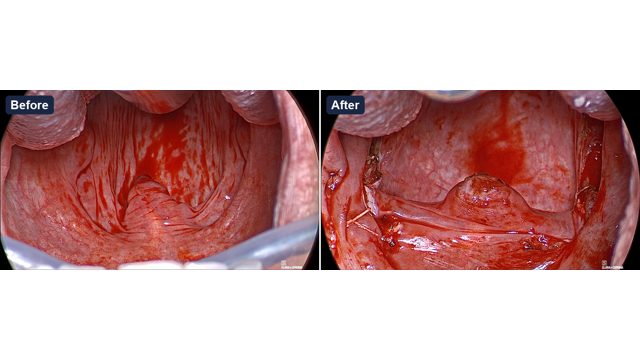
Watch for: The order of the case: both tonsils out with the pillars intact, both palatopharyngeus muscles released before the first barbed pass, and every pass taken around the muscle rather than through mucosa alone. Compare the lateral width and the mirror view behind the palate at the start and at the end.
Chapters
- 0:00Uvula trimLesson →
- 0:07Tonsillectomy, right then leftLesson →
- 1:15Baseline mirror view and injectionLesson →
- 1:29Palatopharyngeus release, right then leftLesson →
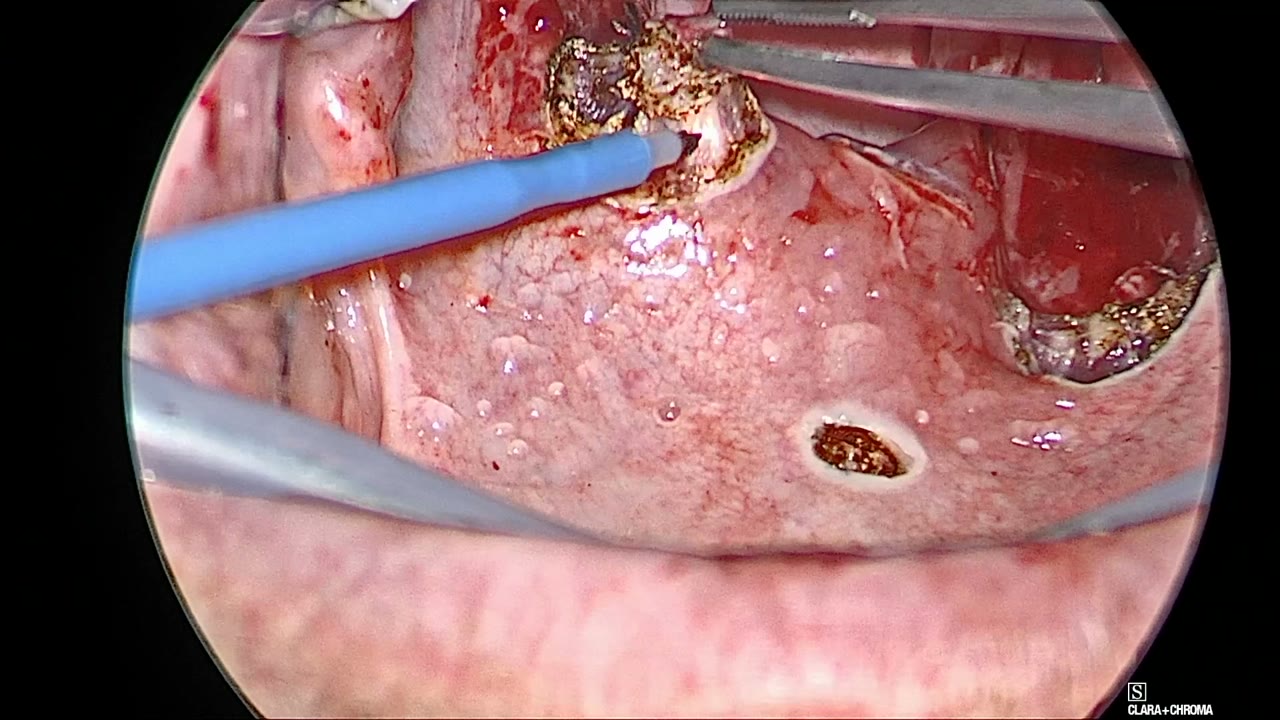
- 2:36Needle-point Bovie windowsLesson →
- 3:04Barbed suture to each lateral windowLesson →
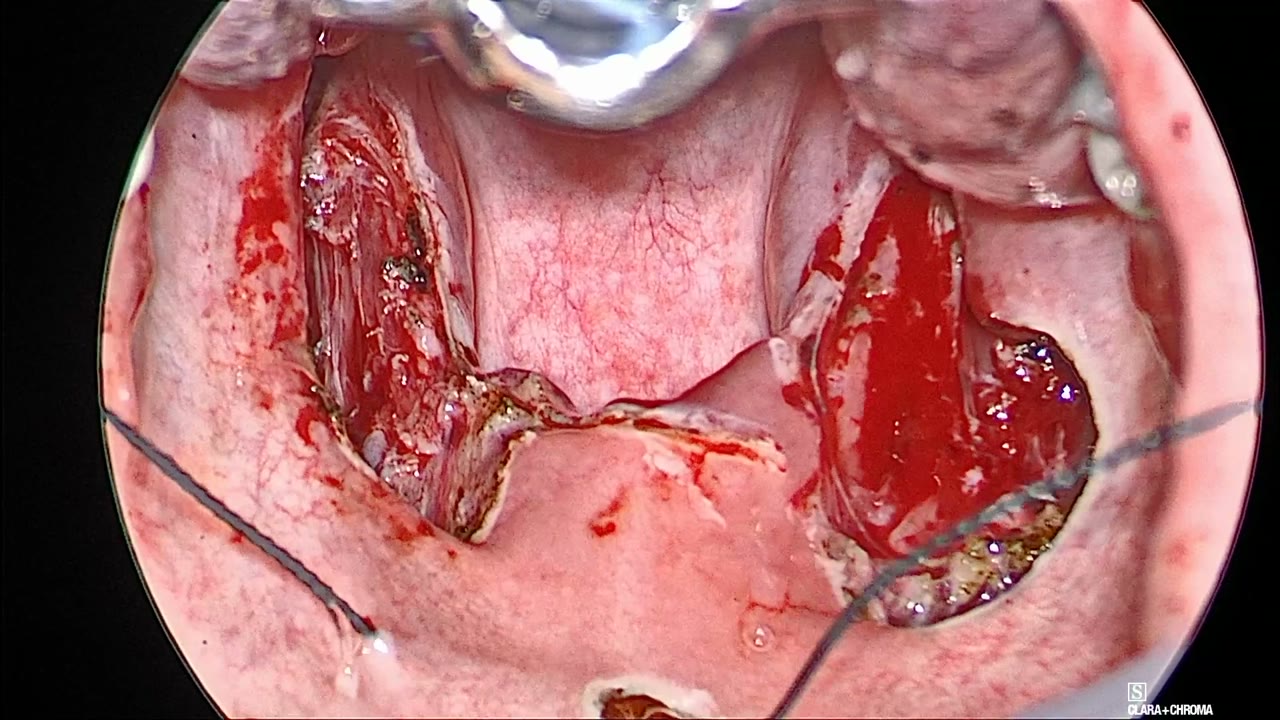
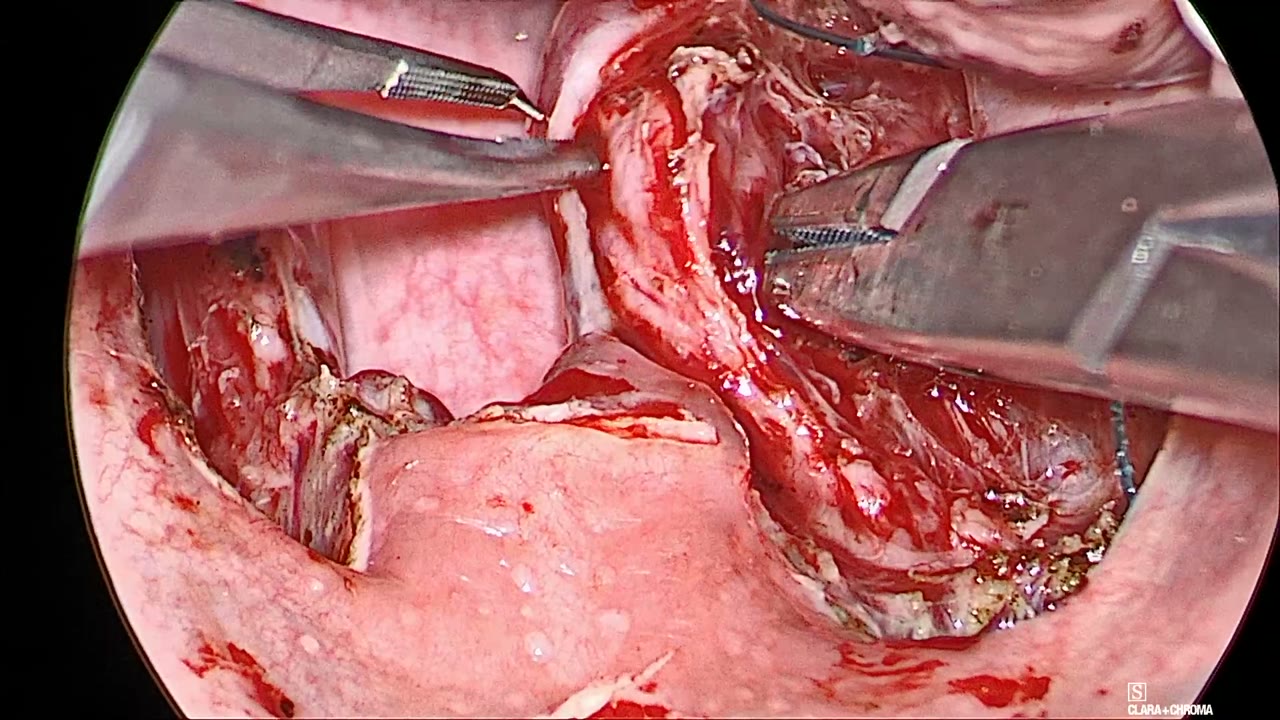
- 3:26Passes around the right palatopharyngeusLesson →
- 4:59Passes around the left palatopharyngeusLesson →
- 5:52Closing the top of the repairLesson →
- 6:47Final airway and mirror viewLesson →
Before you enter the room
- Review the sleep study and prior treatment. Confirm the presence and severity of OSA on a sleep study before surgery, and note the AHI, oxygenation, positional pattern, and hypopnea definition. Know what the patient has tried, including CPAP, an oral appliance, and hypoglossal nerve stimulation, and why each did not work.
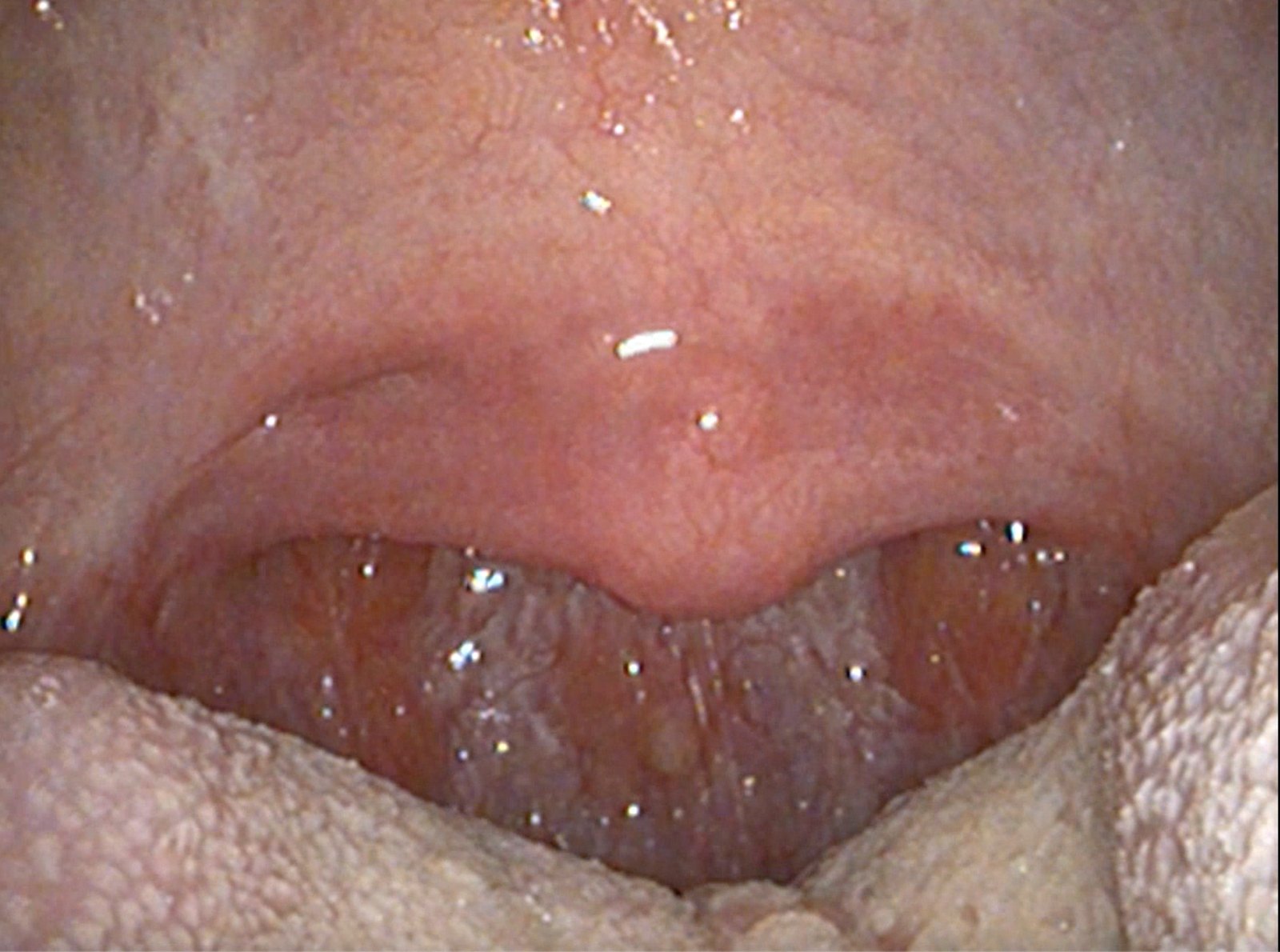
- Read the DISE by site and pattern. Describe the velum, oropharyngeal lateral walls, tongue base, and epiglottis, with the degree and configuration at each site. BRP treats collapse at the velum and the oropharyngeal lateral walls; it does not treat the tongue base or the epiglottis.
In a randomized trial of DISE-based selection for BRP, patients chosen with DISE met Sher criteria for success in 83% of cases, versus 60% of patients chosen by awake examination alone. DISE removed 18 of 60 awake-exam candidates (30%) because of tongue-base, epiglottic, or multilevel collapse, or positional sleep apnea.
Read that result with its limits. The trial was unblinded, and the 18 patients DISE excluded were dropped rather than analyzed by intention to treat, which favors the DISE arm. A 2024 systematic review across procedures called the evidence that DISE improves surgical outcomes “mixed.”
- Match the findings to the indication. Dr. Nord’s typical BRP indications, as he lists them, are palatal complete concentric collapse (CCC); no tongue-base or epiglottic collapse (T0E0); and an AHI above 15 after hypoglossal nerve stimulation with palatal and/or lateral-wall collapse.
CCC is the velum closing in from all sides in the shape of a funnel. It excludes hypoglossal nerve stimulation under current U.S. criteria, so palate surgery is often the way forward for these patients. Read the pattern carefully: in one series, most patients with anteroposterior palatal collapse plus lateral-wall collapse had first been labeled CCC.
T0E0 is VOTE shorthand for a tongue score of 0 and an epiglottis score of 0. It means the obstruction is confined to the velum and the oropharynx, which is where BRP works.
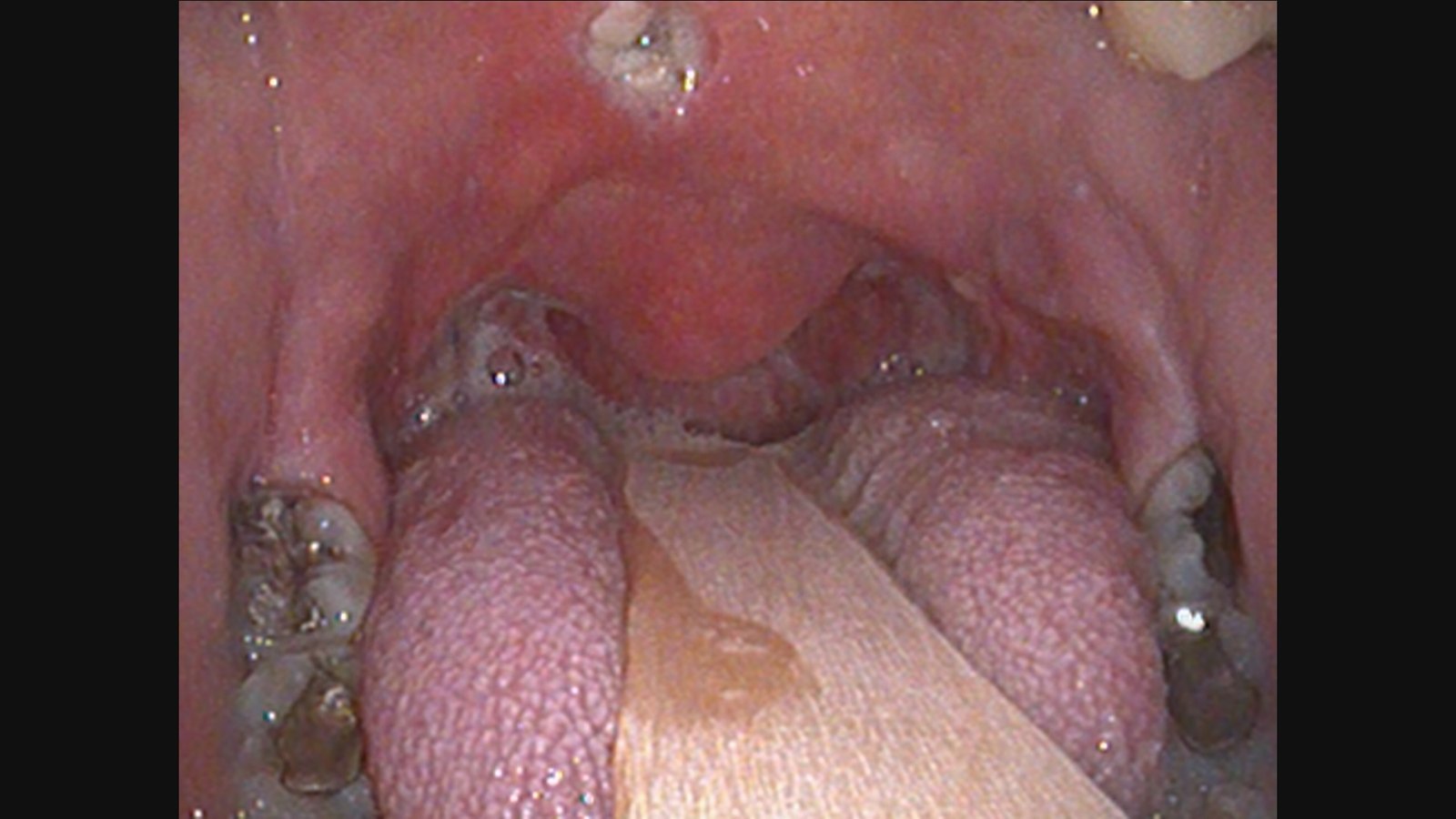
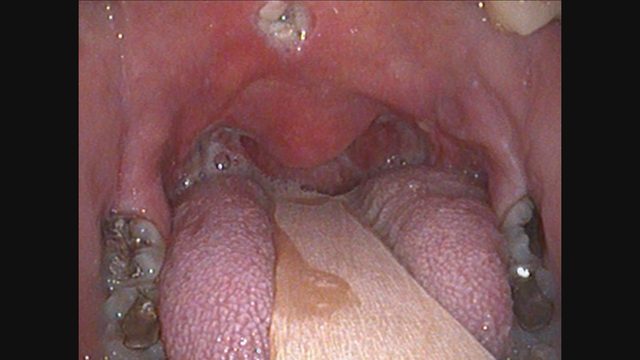
- Grade tongue position and tonsil size. Grade Friedman tongue position with the tongue resting inside the mouth, not protruded as for the anesthesia Mallampati. Ask the patient to open wide without sticking out the tongue, repeat the exam five times, and assign the most consistent grade.
Grade I shows the entire uvula and the tonsils or pillars; grade II, the uvula but not the tonsils; grade III, the soft palate but not the uvula; grade IV, the hard palate only. Friedman tonsil size runs from 0 (removed) to 4 (to the midline). Many centers use the Brodsky scale instead, so say which one you are reporting.
Large tonsils, a smaller tongue: that combination predicts a better palate-surgery result. Friedman stage I is tongue position I or II with tonsil size 3 or 4 and a BMI below 40; stage III is tongue position III or IV with tonsil size 0 to 2, along with any patient whose BMI is above 40. In Friedman’s staging series, UPPP succeeded in 80.6% of stage I, 37.9% of stage II, and 8.1% of stage III patients. Those figures come from UPPP, not BRP, so use them for the principle rather than as BRP success rates. BRP is done less often after a prior tonsillectomy, and the DISE trial excluded those patients.
- Weigh BMI and the skeletal frame. Higher BMI lowers the odds of success after pharyngeal surgery. The BRP evidence comes mostly from patients with a BMI of 35 or less: both the multicenter series and the DISE trial capped enrollment there.
No BMI cutoff is proven. Friedman called his limit of 40 “somewhat arbitrary,” and the 2023 International Consensus Statement on Obstructive Sleep Apnea calls a BMI of 40 or more a poor predictor of success while advising that, below that, other clinical and anatomic features be weighed before surgery is ruled out.
Look for findings that place the obstruction elsewhere: pronounced macroglossia, Friedman tongue position III–IV, marked tongue-base hypertrophy, or retrognathia. Expert consensus holds that these patients may not benefit from isolated palate surgery.
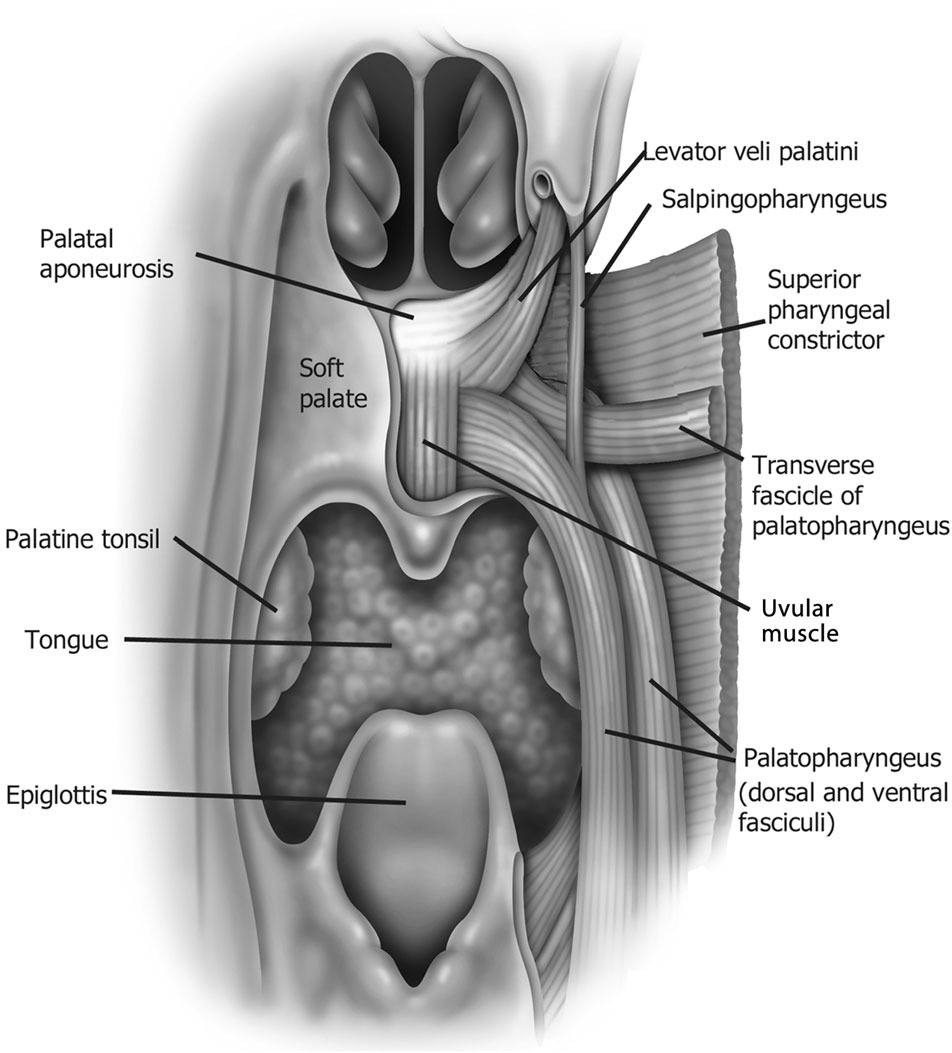
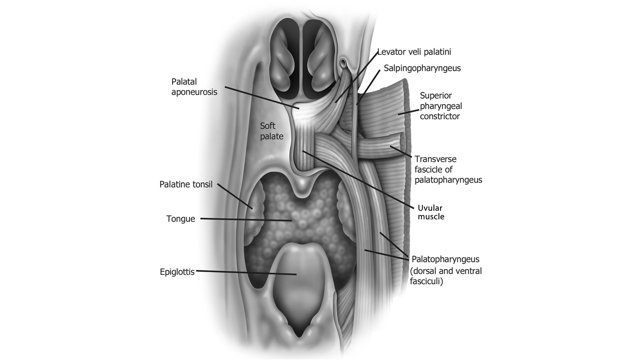
- Place BRP among the palate operations. Classic UPPP, which removes the uvula and part of the palate, is not the typical technique used today. ESP and BRP share one goal: mobilize the palatopharyngeus to expand the oropharyngeal airway and relocate the palate anteriorly.
ESP rotates the divided palatopharyngeus superolaterally and fixes it with a single suture. BRP suspends the muscle from the pterygomandibular raphe with a barbed suture passed around it in multiple loops, so the tension is spread along its length.
On outcomes the two are comparable. A 2021 meta-analysis found no significant difference in AHI change between BRP and ESP, and BRP took about 22 minutes less operating time. It pooled four retrospective cohorts with 208 patients, so it does not show that either operation is better.
- Plan the staged pathway with HGNS. BRP and hypoglossal nerve stimulation are often steps in one plan. In palatal CCC, BRP treats the apnea and is often the first stage: repeat the sleep study and DISE after healing, and offer HGNS if apnea persists and the collapse pattern now qualifies.
In a retrospective eight-center series of barbed pharyngoplasty in CCC (48 patients, most of them BRP; 22 also had tongue-base or epiglottic surgery), AHI fell from 34.9 to 12.7 and 86.7% met Sher criteria. That series did not repeat DISE after surgery. Conversion of CCC to a qualifying pattern has been shown after UPPP with tonsillectomy, ESP, and a tissue-preserving palatopharyngoplasty, but not yet in a BRP-specific study, so do not promise conversion.
The pathway also runs the other way. A patient who uses the stimulator every night at comfortable settings but keeps an AHI above 15, with palatal and/or lateral-wall collapse, has an anatomic problem, not an adherence problem. BRP treats the palate and the lateral walls, and the stimulator is restarted after recovery.
- Quote outcomes you can defend. In the benchmark multicenter series (111 patients, 15 centers), mean AHI fell from 33.4 to 13.5 six months after BRP. Seventy-three percent met a success definition that adds an Epworth score below 10 to Sher’s criteria, and 62% met a stricter tier the authors labeled “no more CPAP needed” (AHI below 15).
Success is not cure. About a quarter of that series did not meet the definition of success, and most BRP studies follow patients for only six to twelve months, so long-term data are limited. In the DISE trial, the 83% Sher success fell to 54% at an AHI below 10 and 21% at an AHI below 5. Say which definition a number uses.
- Counsel before consent. Before the patient signs, state the recovery and the common problems: severe pain for up to two weeks, at least one night in the hospital, early trouble swallowing, a roughly one-in-five chance of suture extrusion, and, for many patients, a repeat sleep study and DISE as part of a staged plan.
Suture extrusion: in the largest dedicated study (488 patients) it occurred in 18%, more often with V-Loc than with Stratafix, and more than a third of extrusions caused no symptoms. The exposed end is trimmed in clinic, and extrusion did not change the result.
Swallowing, bleeding, and the first nights: transient dysphagia affected 21% of the multicenter series, and 1.8% needed a return to the operating room for bleeding. Apnea is often transiently worse for the first nights while swelling peaks, so plan for those nights before surgery, including CPAP for patients who use it.
Dr. Nord’s teaching
- Read the DISE by site, degree, and configuration before choosing the operation. BRP treats the velum and the oropharyngeal lateral walls, not the tongue base or the epiglottis.
- Grade Friedman tongue position with the tongue resting in the mouth. Large tonsils, a smaller tongue predict a better palate-surgery result.
- BRP and ESP perform similarly in the head-to-head data. The choice comes down to technique and experience, not a proven outcome gap.
- After a partial stimulator response with nightly use at comfortable settings, think anatomy, not adherence: BRP treats the palate and lateral walls, and the stimulator is restarted after recovery.
- In palatal CCC, present BRP as treatment and often as the first stage before hypoglossal nerve stimulation.
Pitfalls
- Grading tongue position with the tongue protruded, which gives the anesthesia Mallampati rather than the Friedman grade.
- Offering BRP alone when DISE shows tongue-base or epiglottic collapse. Palate surgery does not treat those sites.
- Assuming that mild OSA alone makes a good palate-surgery candidate. Friedman’s group called that a “common misconception”: severity does not tell you who will respond.
- Quoting Sher success or a pooled meta-analysis rate to a patient as if it meant cure.
- Telling a patient that BRP is proven better than ESP, or that BRP reliably converts CCC so that stimulation becomes possible.
Before moving on: Explain why BRP fits this airway using the DISE findings, Friedman tongue position and tonsil size, BMI, and the patient’s place on the stimulation pathway, then state the counseling points a patient needs before consent.
Published references for this lesson
- Iannella et al. Effectiveness of drug-induced sleep endoscopy in improving outcomes of barbed pharyngoplasty for obstructive sleep apnea surgery: a prospective randomized trial. Sleep Breath. 2022;26(4):1621-1632. doi:10.1007/s11325-021-02528-4. In a randomized trial, DISE-selected BRP patients met Sher criteria more often than patients selected by awake examination alone.
- Friedman et al. Clinical staging for sleep-disordered breathing. Otolaryngol Head Neck Surg. 2002;127(1):13-21. doi:10.1067/mhn.2002.126477. Defines Friedman palate (tongue) position and tonsil grades and shows UPPP success falling steeply from stage I to stage III.
- Neruntarat et al. Barbed reposition pharyngoplasty versus expansion sphincter pharyngoplasty: a meta-analysis. Laryngoscope. 2021;131(6):1420-1428. doi:10.1002/lary.29357. Four retrospective cohorts showed no significant difference in AHI change between BRP and ESP, with a shorter operation for BRP.
- Montevecchi et al. Prospective multicentre study on barbed reposition pharyngoplasty standing alone or as a part of multilevel surgery for sleep apnoea. Clin Otolaryngol. 2018;43(2):483-488. doi:10.1111/coa.13001. The 111-patient, 15-center series that reports six-month outcomes, tiered success definitions, and complications after BRP.
- Castillo-Farias et al. Barbed suture pharyngoplasty in velopharyngeal complete concentric collapse: a multicentric study. Egypt J Otolaryngol. 2022;38:57. doi:10.1186/s43163-022-00241-x. In a retrospective eight-center series of 48 patients with complete concentric collapse, barbed pharyngoplasty (most often BRP, with tongue-base or epiglottic surgery added in 22) reduced AHI from 34.9 to 12.7.
- Van de Perck et al. Concentric vs anteroposterior-laterolateral collapse of the soft palate in patients with obstructive sleep apnea. Otolaryngol Head Neck Surg. 2022;166(4):782-785. doi:10.1177/01945998211026844. Complete concentric palatal collapse excludes upper airway stimulation, and most patients with anteroposterior-laterolateral collapse had first been labeled as concentric.
- Green et al. Drug-induced sleep endoscopy and surgical outcomes: a multicenter cohort study. Laryngoscope. 2019;129(3):761-770. doi:10.1002/lary.27655. In 275 patients at 14 centers with blinded VOTE scoring, velum-related obstruction, including complete concentric collapse, was not associated with pharyngeal-surgery outcome.
- Gulotta et al. Barbed suture extrusion and exposure in palatoplasty for OSA: what does it mean?. Am J Otolaryngol. 2021;42(4):102994. doi:10.1016/j.amjoto.2021.102994. In 488 patients treated with BRP or multilevel TORS, barbed-suture extrusion or exposure occurred in 18.4%, differed by suture type, and did not change the AHI result.